
Quick fitment answer: Jeep Wrangler JL wheels are most practical in 17 inch sizes with enough backspacing to clear 33 or 35 inch tires without creating excessive poke.
The Jeep Wrangler JL is forgiving compared with many modern SUVs, but wheel fitment still matters. The wrong wheel can create steering wander, fender contact, poor tire coverage, or a stance that looks wider than it drives well. A good JL setup should suit the tire first and the wheel style second.
Most Wrangler owners want one vehicle for daily driving, trail weekends, camping trips, and the occasional rough road. That is why 17 inch wheels remain the standard choice. They give the tire sidewall room to work, and they look natural on a Jeep built for real use.
Why This Setup Works
A Wrangler JL looks right with a strong tire sidewall. More sidewall means better ride comfort, better tire flex off-road, and more wheel protection when aired down. That is why 17 inch wheels dominate practical JL builds.
The other key is backspacing. A wheel that sits too far inward may rub suspension components. A wheel that sits too far outward can increase steering effort and throw debris down the side of the Jeep.
Best Wheel Size
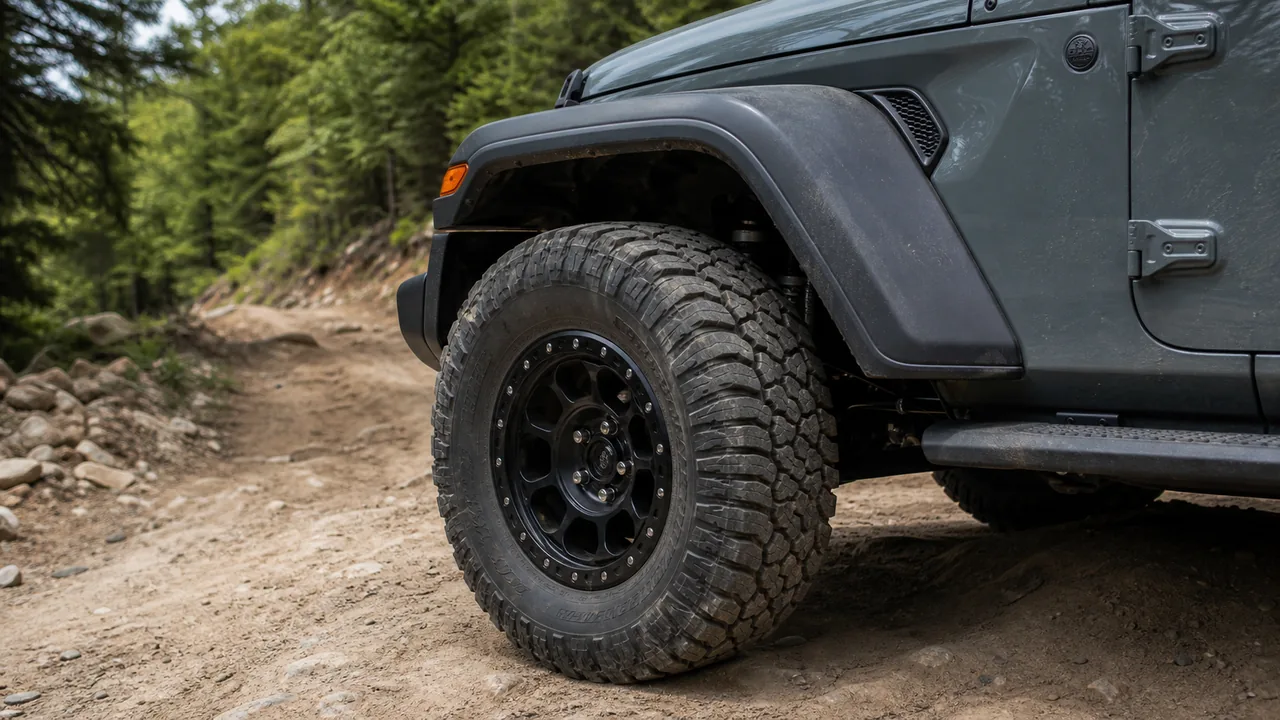
17 Inch Setup
A 17×8.5 or 17×9 wheel is the safest choice for most Wrangler JL builds. It works with 33 inch tires on mild builds and 35 inch tires on Rubicon or lifted setups.
18 Inch Setup
An 18 inch setup is possible for street-focused Jeeps, but it gives up sidewall. If the Jeep sees rocks, ruts, or frequent airing down, 17 inch wheels are the better tool.
Offset, Backspacing, and PCD
The Wrangler JL commonly uses a 5×127 bolt pattern. Wheel backspacing is often discussed more than offset in Jeep fitment. Many practical aftermarket setups land around 4.5 to 5.2 inches of backspacing depending on tire width.
The wider the tire, the more carefully you need to plan fender coverage and steering clearance. A 12.5 inch wide tire can look strong, but it needs the right wheel width and suspension setup.
Recommended Tire Setup
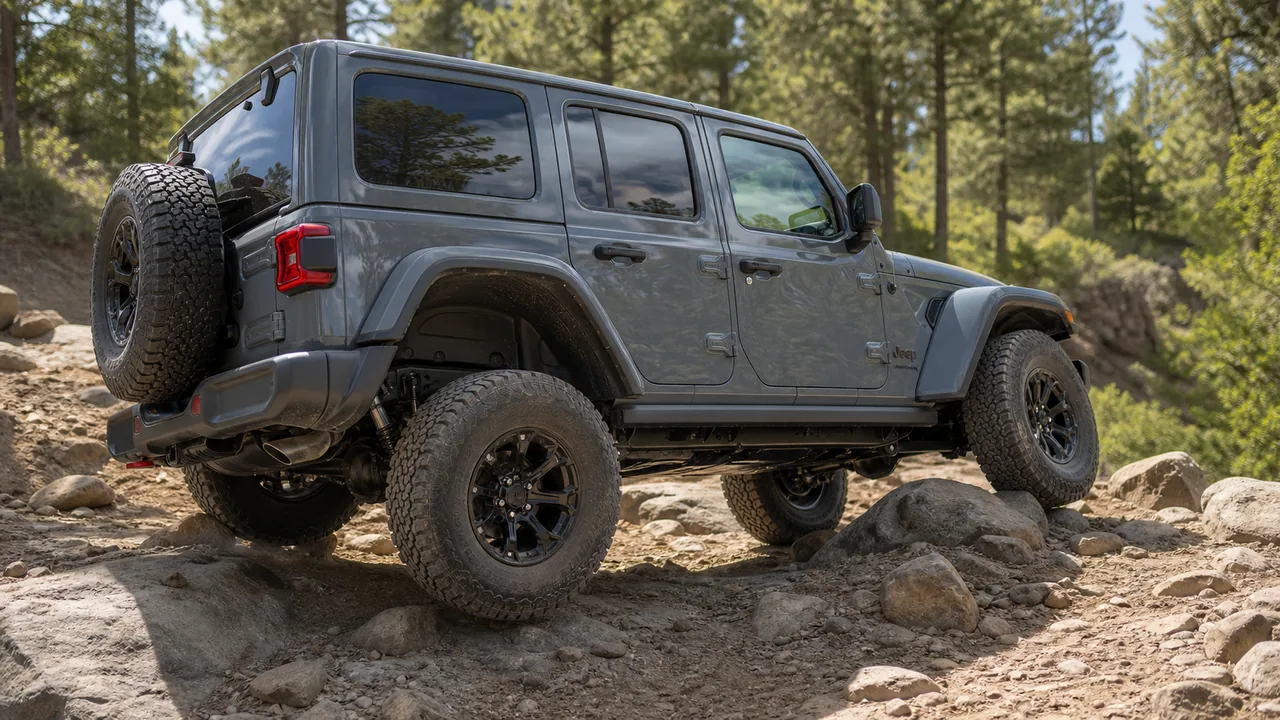
For a daily JL, a 285/70R17 or 33 inch tire is easy to manage. For a Rubicon or lifted Sport/Sahara, a 35×12.50R17 is common, but it should be paired with proper bump stop, steering, and clearance checks.
- Clean daily setup: 285/70R17
- Rubicon-style trail setup: 315/70R17 or 35×12.50R17
- Road comfort priority: all-terrain tires
- Mud and deep ruts: mud-terrain tires with noise and weight trade-offs
Real-World Use Cases
Wrangler fitment should be chosen around the tire diameter first. A driver who wants a mild daily Jeep on 33 inch tires can keep the setup simple. A driver who wants 35 inch tires, loaded camping gear, and regular trail use needs to think about gearing, bump stops, steering feel, and fender clearance.
The JL Rubicon gives owners more tire room from the factory, but that does not make every wheel a good choice. A wide wheel with poor backspacing can still rub, and a heavy tire can still change braking and acceleration.
For owners who drive long highway miles, keeping the tire centered and balanced matters as much as clearance. A Jeep can look built without wandering across the lane or feeling nervous in crosswinds.
Fitment Details That Matter
Wrangler owners should also think about gearing and tire weight. A larger tire changes the way the Jeep accelerates, brakes, and holds speed on hills. Even if the wheel physically fits, the finished package may feel heavier than expected. Choosing a lighter wheel can help keep the JL more responsive.
Another detail is fender coverage. In some areas, tires that sit too far outside the fender can create legal or inspection problems. Even where it is allowed, wide poke throws mud, snow, and stones down the doors.
For wheel dealers, the Wrangler JL is a strong fitment category because buyers compare real-world photos. Show the same wheel with 33 inch and 35 inch tire examples, include backspacing, and clearly state whether a lift is required.
Real Fitment Notes
The simplest way to keep a JL build reliable is to make changes in a sequence: tire size first, wheel backspacing second, suspension clearance third, and alignment last. When those choices are made together, the Jeep feels more natural and avoids the common problem of fixing rubbing after the money has already been spent.
A good Wrangler wheel also needs to match the owner’s trail style. Rock crawling rewards sidewall and strong wheel lips. Snow and wet pavement reward a tire compound that works in the cold. Sand rewards the ability to air down.
Common Fitment Mistakes
Avoid buying wheels only because they are marketed as beadlock-style. True beadlocks have different maintenance and legal considerations, while simulated beadlock wheels are mostly a visual design. Know which one you are buying.
Avoid stacking aggressive offset, wide tires, and cheap suspension parts. That combination often creates a Jeep that looks good parked but feels vague and heavy on the road.
Also avoid skipping a full-size spare plan. A 35 inch tire on the ground and a smaller spare on the tailgate is not a proper trail solution.
Buying Checklist and Final Recommendation
When shopping, confirm 5×127 PCD, hub compatibility, brake clearance, wheel load rating, and whether the wheel width suits the tire. Most all-terrain tires in the 33 to 35 inch range work best on sensible wheel widths rather than stretched setups.
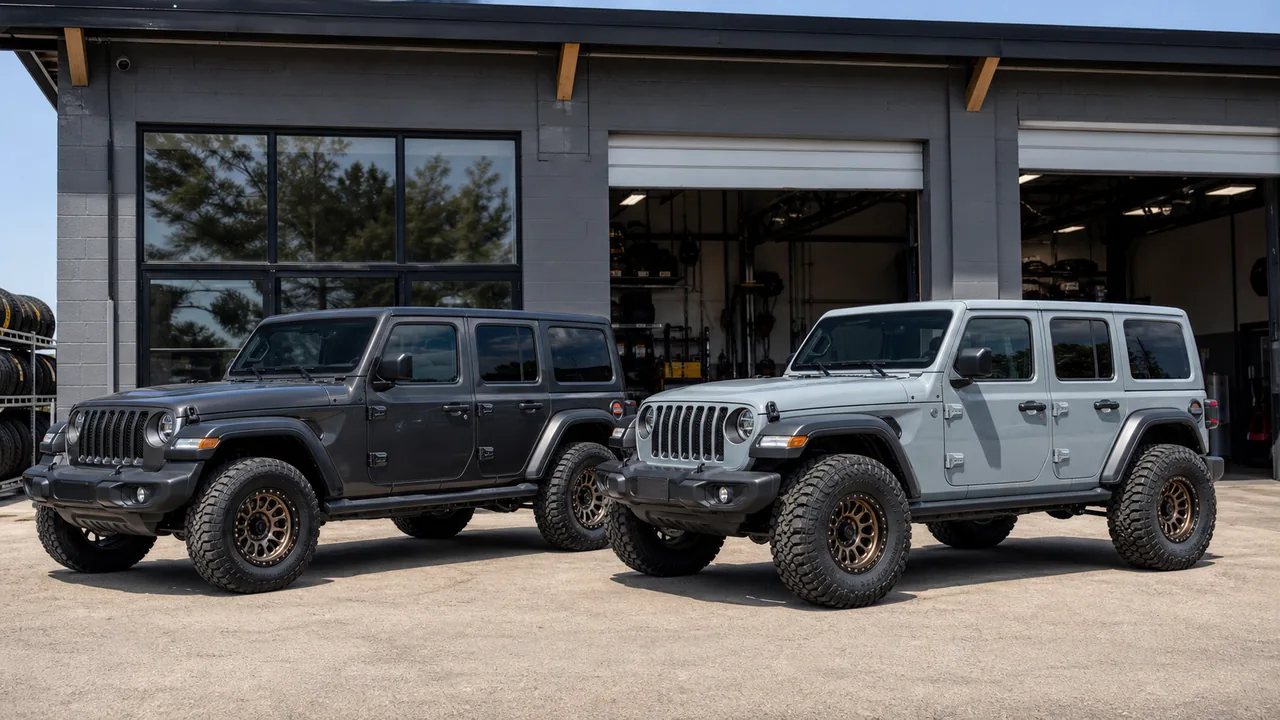
Finish choice is practical too. Satin black hides trail marks, gunmetal looks cleaner on daily Jeeps, and bronze can work well on white, black, grey, and green paint.
Final recommendation: most JL owners should start with a 17 inch wheel, choose backspacing for their tire width, and keep the setup practical enough to drive comfortably every day.
A final point for Wrangler owners is that a wheel setup should be easy to service. Trail vehicles break small parts, lose center caps, and sometimes need a replacement wheel quickly. Choosing a common size and a wheel brand with available hardware is more useful than chasing a rare spec that looks good once but is hard to maintain.
If the Jeep is a daily driver, tire pressure and alignment should be checked after the wheel install. A correct alignment and sensible tire pressure can make the difference between a JL that feels planted and one that wanders or follows grooves in the road.
FAQ
What is the best wheel size for a Jeep Wrangler JL?
A 17 inch wheel is the best all-round size for most Wrangler JL builds because it keeps strong tire sidewall for trail use.
What bolt pattern does the Wrangler JL use?
The Jeep Wrangler JL commonly uses a 5×127 bolt pattern.
Can a Wrangler JL fit 35 inch tires?
Many JL Rubicon models can run 35 inch tires more easily than Sport or Sahara trims, but lift, offset, fenders, and bump stop clearance still matter.
Are forged wheels useful on a Jeep Wrangler?
Forged wheels can be useful for reducing weight and improving strength when running larger tires or loaded trail gear.
What tire is best for a daily Wrangler?
A quality all-terrain tire is usually best for a daily Wrangler because it balances road noise, wet traction, and trail capability.