
Quick fitment answer: Silverado 1500 deep dish wheels work best in a controlled 20 inch fitment with enough tire sidewall for daily driving, winter roads, and light truck use.
The Chevrolet Silverado 1500 has the size to wear deep dish wheels well, but fitment can go wrong quickly. A wheel with too much negative offset may look strong in photos, yet it can rub, throw slush and gravel down the side, and feel heavy in daily driving. Canadian roads make those trade-offs more obvious.
A practical Silverado setup should balance lip depth, tire sidewall, offset, and load rating. The truck can look aggressive without needing an extreme stance. This guide focuses on deep dish alloy and forged-style fitments that still make sense for real use.
Why This Setup Works
The Silverado responds well to a 20 inch wheel because it fills the arch without removing all the sidewall. That matters in Canada, where potholes, winter roads, gravel, and wet highways are part of normal truck life.
Deep dish wheels add visual depth, but the tire needs to support the look. A square tire shoulder with moderate sidewall usually looks better and drives better than a stretched setup.
Best Wheel Size
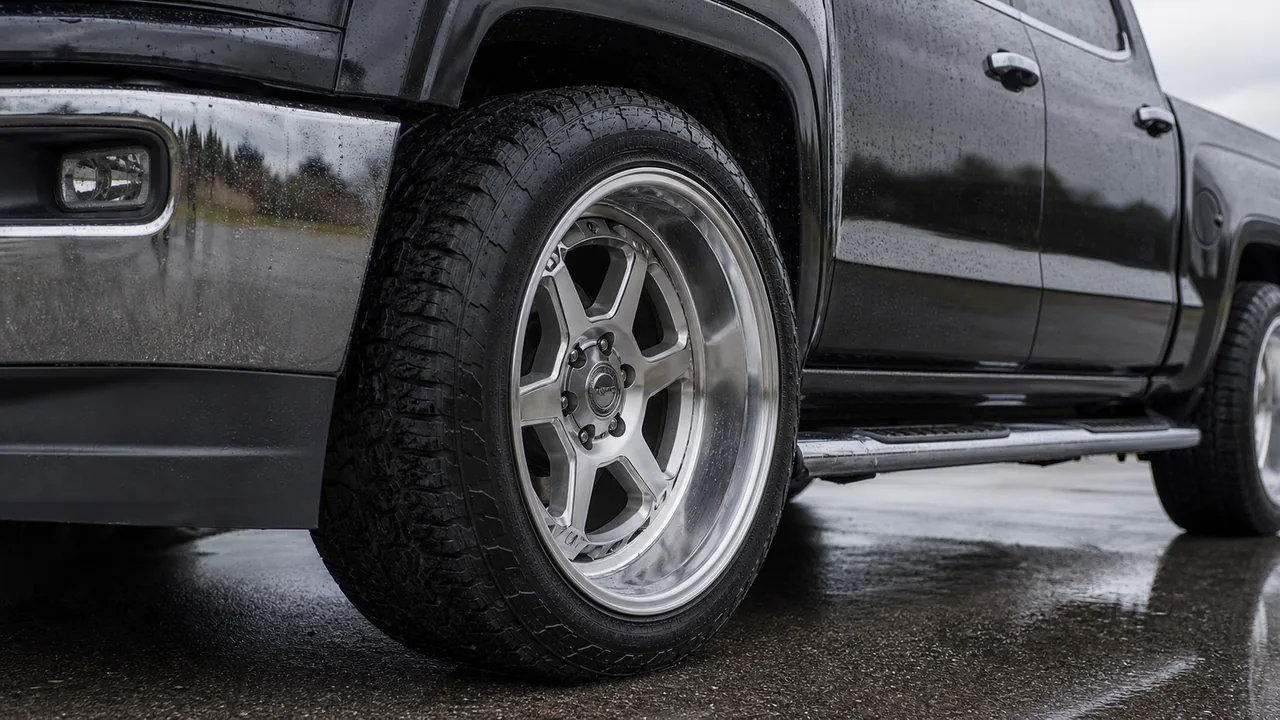
20 Inch Setup
A 20×9 or 20×10 wheel is the most common deep dish direction. It allows a strong lip while keeping tire choices practical. A 275/60R20 or 285/60R20 tire is easier to live with than very wide low-profile options.
18 Inch Setup
An 18 inch wheel is better for winter or off-road comfort, but it usually gives less deep dish visual impact. It is a smart second wheel package for harsh winters.
Offset and PCD Guide
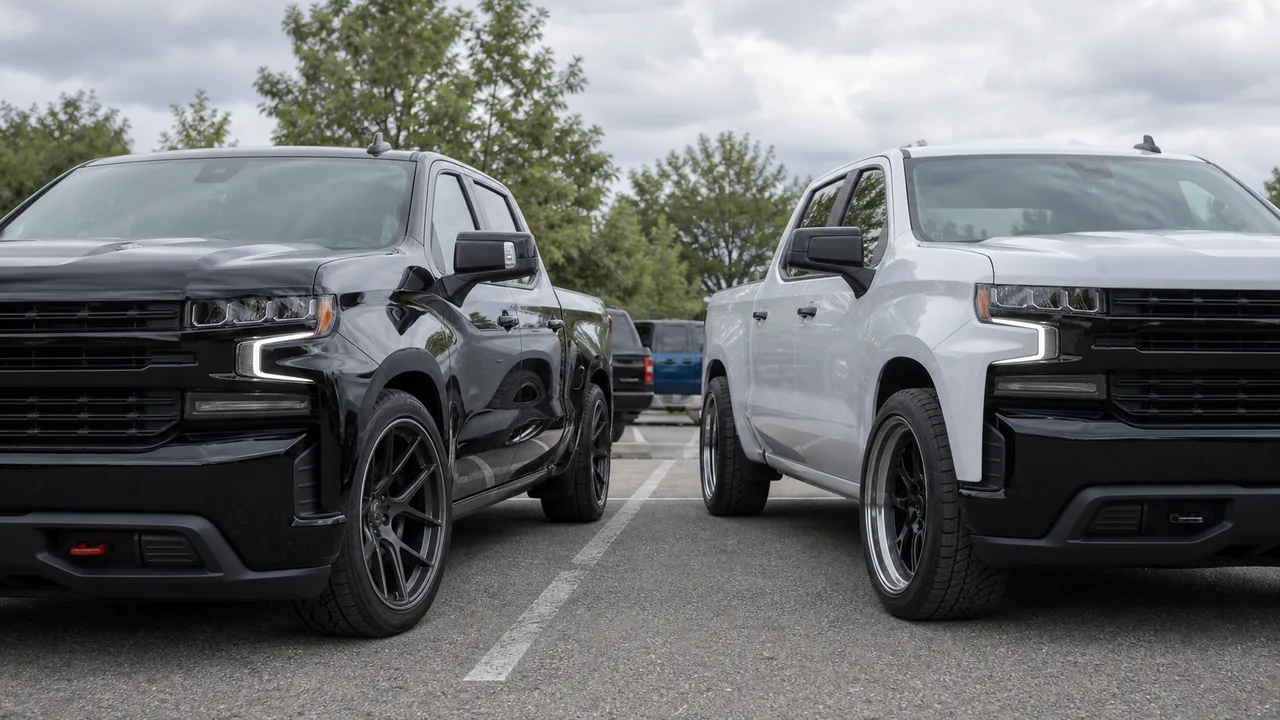
Many Silverado 1500 models use a 6×139.7 bolt pattern, though exact year and trim should always be checked. Offset choice depends on wheel width and tire size. A mild positive or near-zero offset keeps the truck practical, while aggressive negative offsets create more poke.
For a daily truck, avoid pushing the tire far outside the fender. The stance may look dramatic, but winter slush, road spray, and steering feel become worse.
Recommended Tire Setup
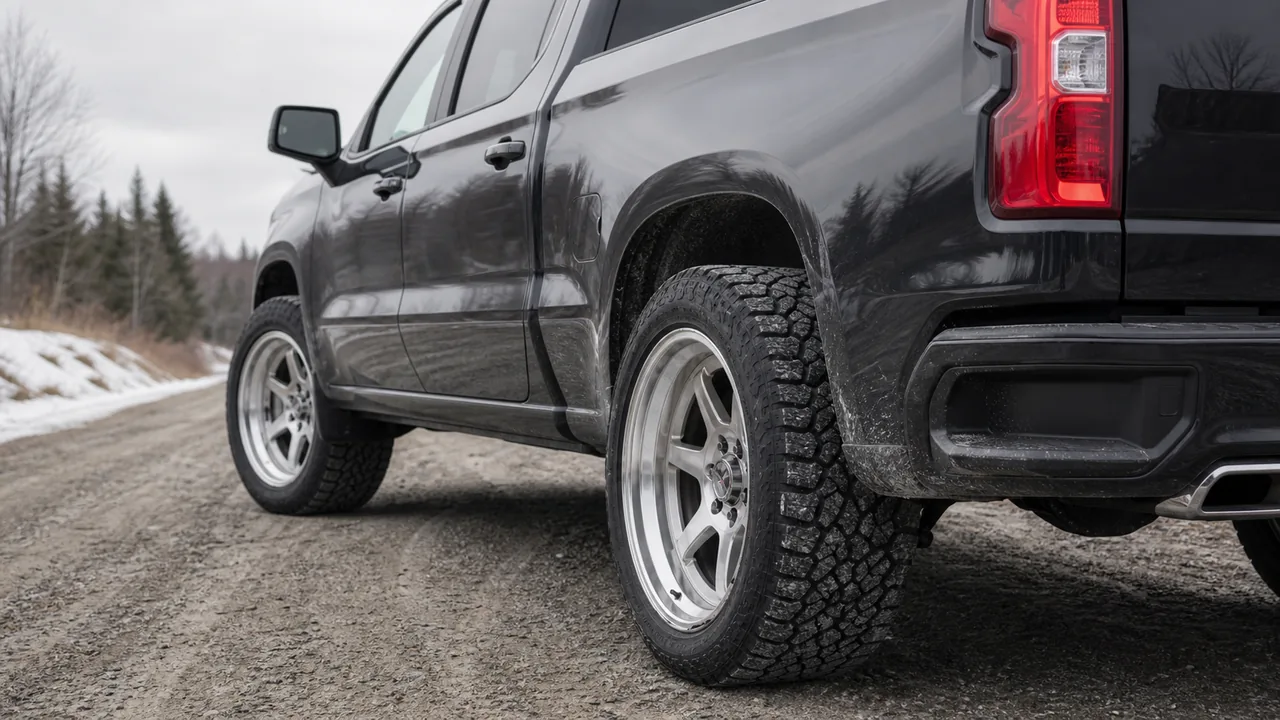
For Canadian use, all-terrain tires can be a good year-round compromise in mild regions, but true winter tires still matter in severe cold. Tire load rating and wet braking should be considered before appearance.
- Daily 20 inch setup: 275/60R20
- Strong truck stance: 285/60R20
- Aggressive deep dish setup: wider tires only with clearance checks
- Winter plan: separate winter tire package if the truck sees real snow
Real-World Use Cases
A Silverado 1500 in Canada may deal with highways, gravel roads, wet spring weather, winter slush, and towing. That makes a practical deep dish setup different from a fair-weather show truck setup.
For daily driving, 20 inch wheels are the sweet spot. They allow a visible lip and strong stance while keeping enough tire sidewall for rough pavement. A very wide low-profile tire may look dramatic but is not the best match for winter roads.
If the truck tows or carries tools, load rating and tire capacity should be checked before style. A wheel can look strong and still be the wrong choice for actual truck use.
Fitment Details That Matter
Silverado owners should also decide how much lip depth is worth the trade-off. A deeper dish often means a lower offset, and that can push the tire outward.
Canadian winter use makes finish quality important. Salt, slush, and brake dust can damage cheap coatings. If the truck is driven year-round, a durable painted or machined dark finish may be easier to maintain than a bright polished lip.
For dealers, Silverado deep dish content should show different offsets and tire sizes clearly. Buyers want to know whether the setup is stock-height friendly, leveling-kit friendly, or lift-only.
Real Fitment Notes
The Silverado also needs a wheel that suits its job. A truck used for commuting and weekend hauling can run a cleaner street-truck fitment. A truck used for towing, snow, gravel, or work duty should stay closer to a practical tire size and avoid unnecessary weight.
If the truck is leveled, recheck clearance at full steering lock and over bumps. A setup that clears while parked can still rub when the suspension compresses or the tire picks up snow and mud.
Common Fitment Mistakes
Avoid excessive negative offset if the truck sees winter. Wide poke throws slush, salt, and gravel down the side of the vehicle and can make steering feel heavier.
Avoid polished wheels if you do not want to maintain them. Salt and brake dust can quickly make bright lips look tired.
Also avoid tire sizes that do not match the spare or create speedometer and rubbing issues without planning.
Buying Checklist and Final Recommendation
Before purchasing, confirm bolt pattern, hub bore, brake clearance, load rating, lug seat, tire width, and fender coverage. A 20×9 or 20×10 wheel is usually easier to live with than very wide deep dish sizes.
For Canada, gunmetal, satin black, and machined dark finishes are practical. Polished lips are best for owners who enjoy cleaning and protecting the finish.
Final recommendation: choose a controlled deep dish setup with enough tire sidewall, proper load rating, and an offset that looks strong without sacrificing daily drivability.
The Silverado also needs a wheel that suits its job. A truck used for commuting and weekend hauling can run a cleaner street-truck fitment. A truck used for towing, snow, gravel, or work duty should stay closer to a practical tire size and avoid unnecessary weight.
If the truck is leveled, recheck clearance at full steering lock and over bumps. A setup that clears while parked can still rub when the suspension compresses or the tire picks up snow and mud. Real fitment should be judged while the truck is being used, not only in a driveway photo.
A good Silverado deep dish setup should also consider resale and long-term maintenance. A clean, practical fitment appeals to more owners than a setup that needs constant cleaning, trimming, or tire replacement. The strongest build is usually the one that still works six months later.
For Canadian Silverado owners, winter and road salt should influence the final decision. A wheel that looks great in summer but is difficult to clean through winter may become frustrating quickly. Practical deep dish fitment should be strong, serviceable, and easy to maintain through changing seasons.
FAQ
What is the best wheel size for a Silverado 1500 deep dish setup?
A 20 inch wheel is the best balance for most Silverado 1500 deep dish builds because it keeps practical tire sidewall and strong visual depth.
What bolt pattern does the Silverado 1500 use?
Many Silverado 1500 models use a 6×139.7 bolt pattern, but exact year and trim should be confirmed.
Are deep dish wheels practical in Canada?
They can be practical if the offset is controlled and the tire has enough sidewall. Extreme poke is less ideal for winter roads and slush.
Can I run all-terrain tires on deep dish wheels?
Yes, many 20 inch deep dish truck wheels work well with all-terrain tires when width and offset are matched correctly.
Are forged wheels worth it for a Silverado?
Forged wheels are worth considering for lower weight, strength, towing, and heavier tire packages.