
How to Choose Truck Wheels for Real Daily Use
how to choose truck wheels is one of those fitment topics where the right answer depends on the truck, the tire, and the way it is used. This guide uses Chevy Colorado ZR2 and Toyota Hilux as the main example because the platform makes the trade-offs easy to see.
The goal is not to chase the biggest number or the most aggressive photo. A good setup should look strong, clear properly, carry the vehicle weight, and still work for daily driving, towing, weekend trails, dealer packages, and first-time truck wheel buyers.
Quick answer: Start with 17, 18, and 20 inch truck wheels chosen by vehicle use, keep offset around moderate offsets that balance stance, clearance, and steering feel, and choose tires such as all-terrain tires for mixed use, mud terrain tires for regular trail work, and highway terrain tires for towing after checking clearance.
Why This Setup Works
A clean truck setup starts with balance. Wheel diameter controls sidewall, wheel width changes tire support, and offset decides where the whole package sits under the body. If one part is pushed too far, the truck may look tough but drive worse.
The best fitment leaves a small margin for steering lock, suspension compression, load, tire growth, and real road surfaces. That margin is what separates a useful truck from one that rubs every time it turns into a driveway.
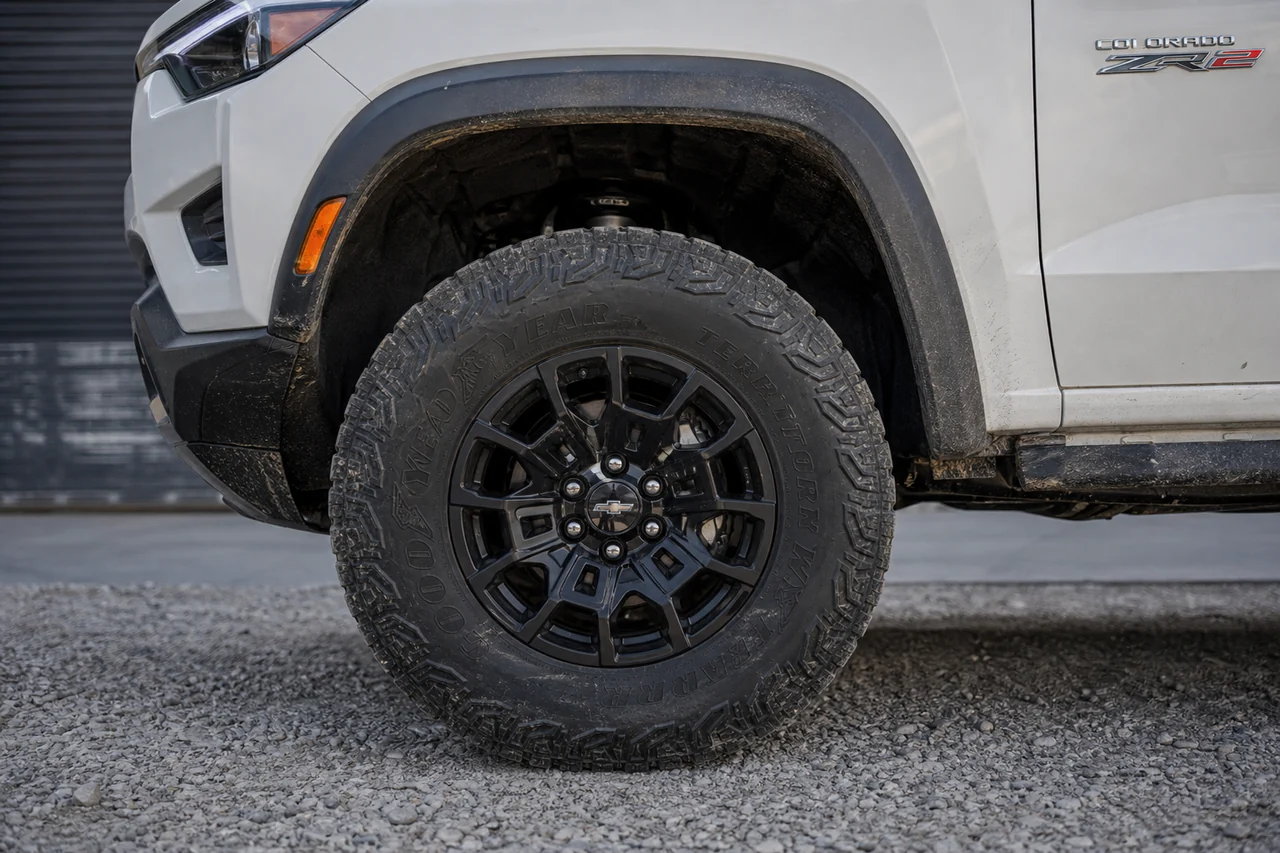
Best Wheel Size for Chevy Colorado ZR2 and Toyota Hilux
17, 18, and 20 inch truck wheels chosen by vehicle use is the practical range for this topic. Smaller wheels leave more tire sidewall and usually ride better on rough roads. Larger wheels can look sharper, but they need careful tire sizing to avoid a harsh ride.
17 Inch Setup
A 17 inch setup is usually the most useful option for trail work, touring, and aired-down driving. It gives the tire more room to flex and protects the wheel better on rocks and potholes.
18 Inch Setup
An 18 inch setup is a strong middle ground. It still leaves usable sidewall, but it can look more modern on larger trucks and SUVs.
20 Inch Setup
A 20 inch setup is more stance-focused. It can work well on daily trucks when the tire profile is still sensible and the wheel is properly load rated.
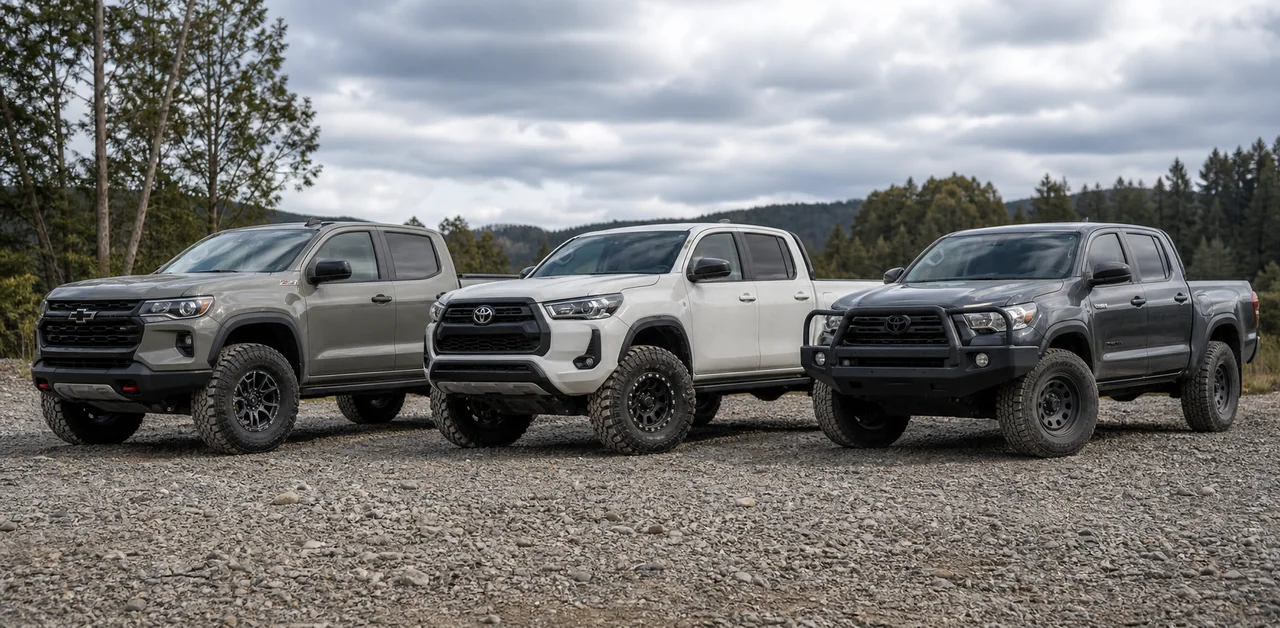
Offset and Fitment Guide
For this build, the safer direction is moderate offsets that balance stance, clearance, and steering feel. More negative offset pushes the tire outward and can help the truck look wider, but it can also create rubbing at the bumper, liner, or rear of the arch.
vehicle-specific PCD, hub bore, brake clearance, TPMS, and hardware checks. Before ordering, also check brake clearance, center bore, lug hardware, wheel load rating, and whether the tire remains legal under the guard.
Recommended Tire Sizes
Recommended tire directions include all-terrain tires for mixed use, mud terrain tires for regular trail work, and highway terrain tires for towing. Tire model matters because some all-terrain tires have rounded shoulders while mud terrain tires often run wider and squarer.
If the truck carries tools, camping gear, passengers, or a trailer, choose the tire load rating around the loaded vehicle. A tire that looks good unloaded may not be the right choice for long highway trips or hot weather.
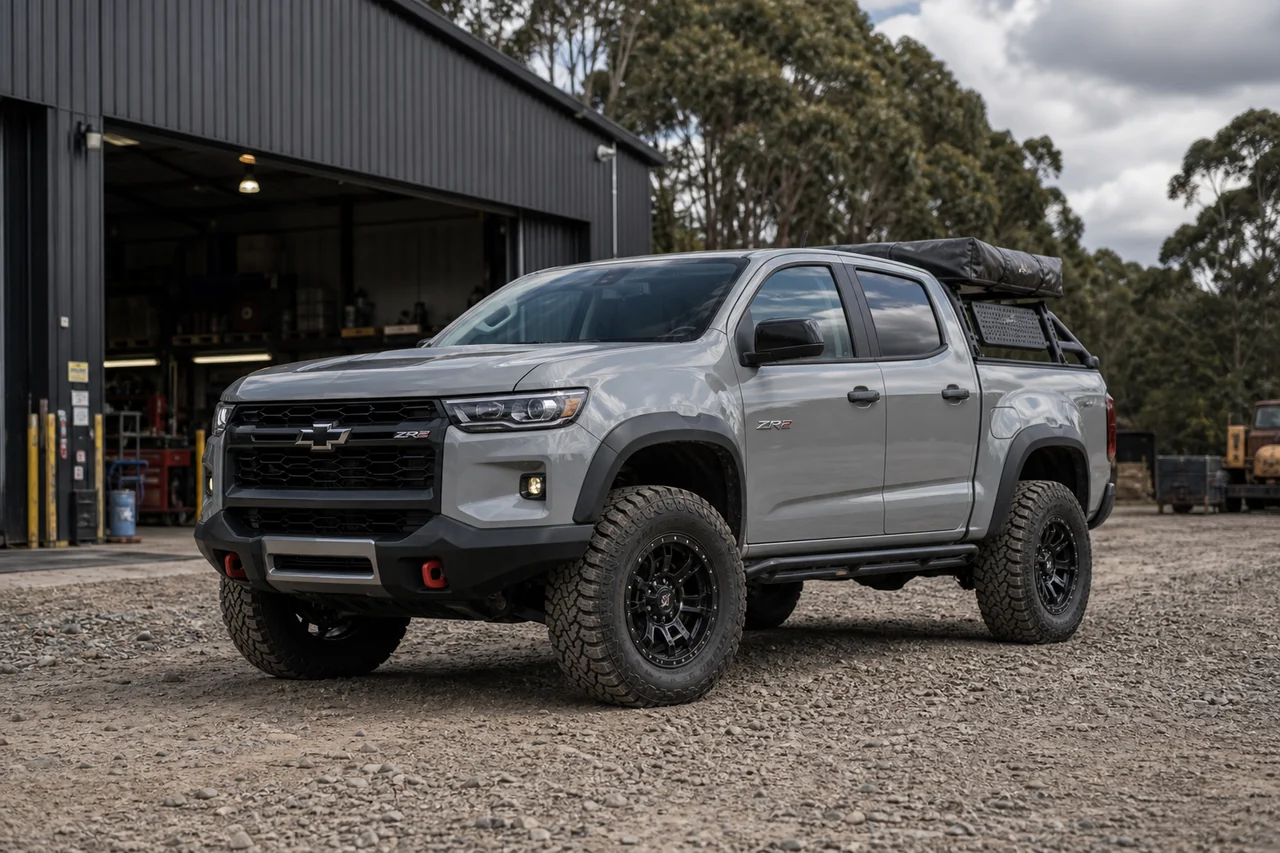
Forged vs Cast Options
Forged wheels make sense when strength, weight, and custom fitment matter. Cast wheels can still be a sensible choice when the brand is reputable and the load rating is clear. Flow formed wheels sit between the two and can be a good daily value.
Finish and Color Advice
Matte black is easy to match and hides brake dust well. Bronze adds contrast on white, black, grey, and green trucks. Machined faces look sharp, but they need more cleaning after salt, mud, and brake dust.
Real-World Setup Notes
A setup should be checked with the truck at normal ride height and normal load. If the truck usually carries gear, test clearance with weight in the back. If it sees trails, check full steering lock and suspension compression, not just static parking lot fitment.
For dealers and online buyers, the best fitment advice starts with year, trim, suspension height, brake package, tire target, and intended use. Vague advice based only on wheel diameter is not enough for a truck that needs to work.
Dealer and Buyer Checklist
Before purchasing, confirm wheel width, offset, center bore, brake template, lug seat, TPMS needs, tire diameter, and whether the vehicle has aftermarket suspension. If the truck is used for towing or carries tools, ask for the wheel load rating in writing.
It also helps to compare the package against the current setup. Measure inner clearance, outer poke, and tire diameter before ordering. A few minutes with real measurements can prevent rubbing, returns, and a setup that looks good but drives poorly.
Pros and Cons
- Pros: stronger stance, better tire support, more useful fitment, and a truck that looks built with purpose.
- Cons: possible rubbing, more road spray, higher tire cost, and extra cleaning with aggressive offsets or dark finishes.
Things to Avoid
Avoid copying a social media spec without checking tire model, suspension height, alignment, local rules, and fender coverage. The same wheel can behave differently across markets and trims.
Avoid unclear load ratings, mystery offsets, and wheels that do not list brake clearance or hub fitment information.
Final Fitment Check
Before the wheels are mounted permanently, test full steering lock, driveway angles, and normal loaded ride height. Check both sides of the truck, because alignment and liner position are not always perfectly symmetrical.
Final Recommendation
The best how to choose truck wheels setup is the one that fits the truck, the tire, and the real use case. Keep the spec honest, verify measurements, and choose a wheel that makes the truck better to drive, not just wider in photos.
Extra Fitment Notes From Real Builds
One thing owners often learn after the first wheel purchase is that two setups with the same size can feel completely different. Tire brand, sidewall shape, wheel weight, alignment, and suspension travel all change the result. A setup that looks good online may need trimming on another truck because the tire shoulder is wider or the suspension sits lower under load.
For daily use, the safest choice is usually a wheel and tire package that leaves a small amount of clearance instead of sitting right on the edge. That small margin helps with full-lock turns, steep driveways, loaded camping gear, towing weight, and rough roads. It also makes the truck easier to live with when tires wear, pressures change, or the suspension settles over time.
Dealers should ask how the truck is used before recommending a spec. A towing truck, a work truck, a trail truck, and a weekend stance build do not need the same wheel. Good advice starts with use case first, then wheel size, tire size, offset, load rating, and finish.
FAQ
What size works best for Chevy Colorado ZR2 and Toyota Hilux?
Most owners should start with 17, 18, and 20 inch truck wheels chosen by vehicle use. The right choice depends on lift height, tire sidewall, brake clearance, and the way the truck is used.
What offset should I choose?
Use moderate offsets that balance stance, clearance, and steering feel. More aggressive offset can look wider, but it can also increase rubbing, road spray, and steering feedback.
What fitment details should I confirm?
vehicle-specific PCD, hub bore, brake clearance, TPMS, and hardware checks. Also confirm center bore, brake clearance, load rating, hardware, and whether the tire stays covered by the guard.
What tire setup is recommended?
Common choices include all-terrain tires for mixed use, mud terrain tires for regular trail work, and highway terrain tires for towing. Choose the tire around real use, not only the most aggressive size that fits on paper.