
Best Truck Wheel Offset Guide for Better 4×4 Fitment
Wheel offset is one of the most misunderstood parts of truck fitment. People often ask for the most aggressive number first, but the better question is where the tire needs to sit for the way the truck is actually used. A good offset can make a 4×4 look planted and clear properly. A bad one can cause rubbing, steering issues, and a truck that throws road spray everywhere.
This truck wheel offset guide explains the terms in plain language and connects them to real fitment choices. It applies to Ford Ranger, Toyota Hilux, Ram 1500, Silverado, F-150, Land Cruiser, Tacoma, D-Max, BT-50, and most 4×4 builds where wheel width, tire size, and suspension height need to work together.
Truck wheel offset guide quick note: the best offset is the one that matches wheel width, tire size, suspension height, and how the truck is actually driven.
Quick answer: Offset controls how far the wheel sits in or out from the hub. For most trucks, a mild positive, zero, or moderate negative offset gives the best mix of stance, clearance, handling, and daily drivability.
Why This Wheel Setup Works
Positive offset pulls the wheel toward the suspension. Negative offset pushes it outward. Zero offset means the mounting face is centered in the wheel. The same offset number does not look the same on every wheel because width changes the inner and outer position.
This is why a 17×9 -12 and a 20×12 -44 are completely different fitments. Both numbers sound aggressive, but the 20×12 has much more outer poke and inner barrel width. Offset only makes sense when wheel width and tire size are included.
Best Wheel Size
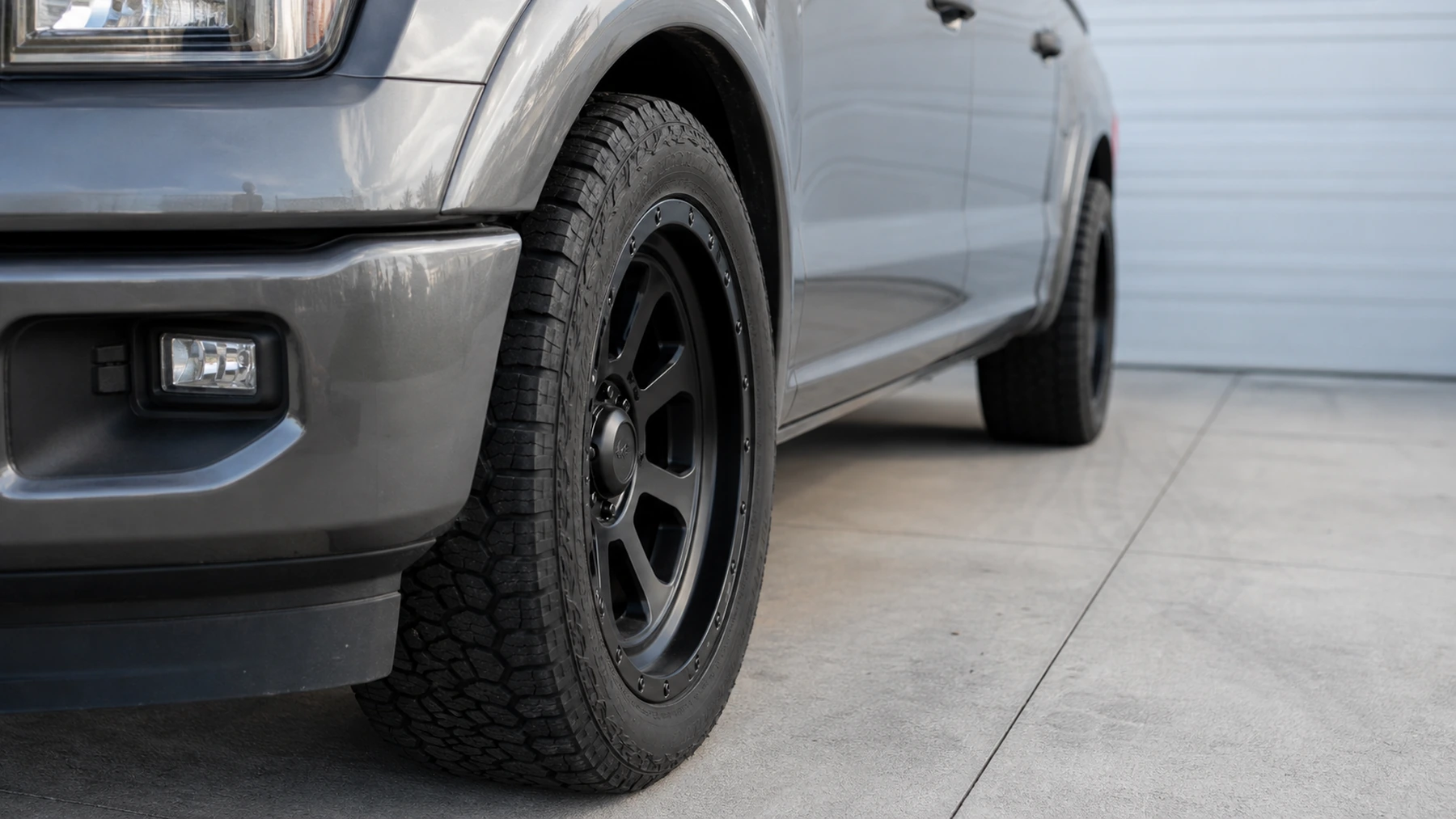
Narrower 8.5 to 9 inch wheels can use moderate offset and still look strong. Wider 10 to 12 inch wheels need more careful planning because every extra inch of width affects inner clearance and outer poke.
For 4×4 use, 17 and 18 inch wheels usually leave more tire sidewall. For street-focused truck builds, 20 and 22 inch wheels can look excellent, but the tire must still have enough load rating and sidewall for the vehicle.
18 Inch Setup
An 18 inch setup is usually the practical middle ground. It keeps enough tire sidewall for real roads, gives the truck a modern look, and makes load-rated all-terrain tires easy to find.
20 Inch Setup
A 20 inch setup is more visual and stance-focused. It can still work well on a truck, but it needs the right tire profile, offset, and suspension clearance to avoid becoming harsh or difficult to drive.
Offset and Fitment Guide
Backspacing is the distance from the mounting pad to the inner lip of the wheel. Offset is measured from the centerline. They describe the same fitment from different reference points. Shops often use backspacing for off-road wheels because it quickly tells you how much inner clearance you have.
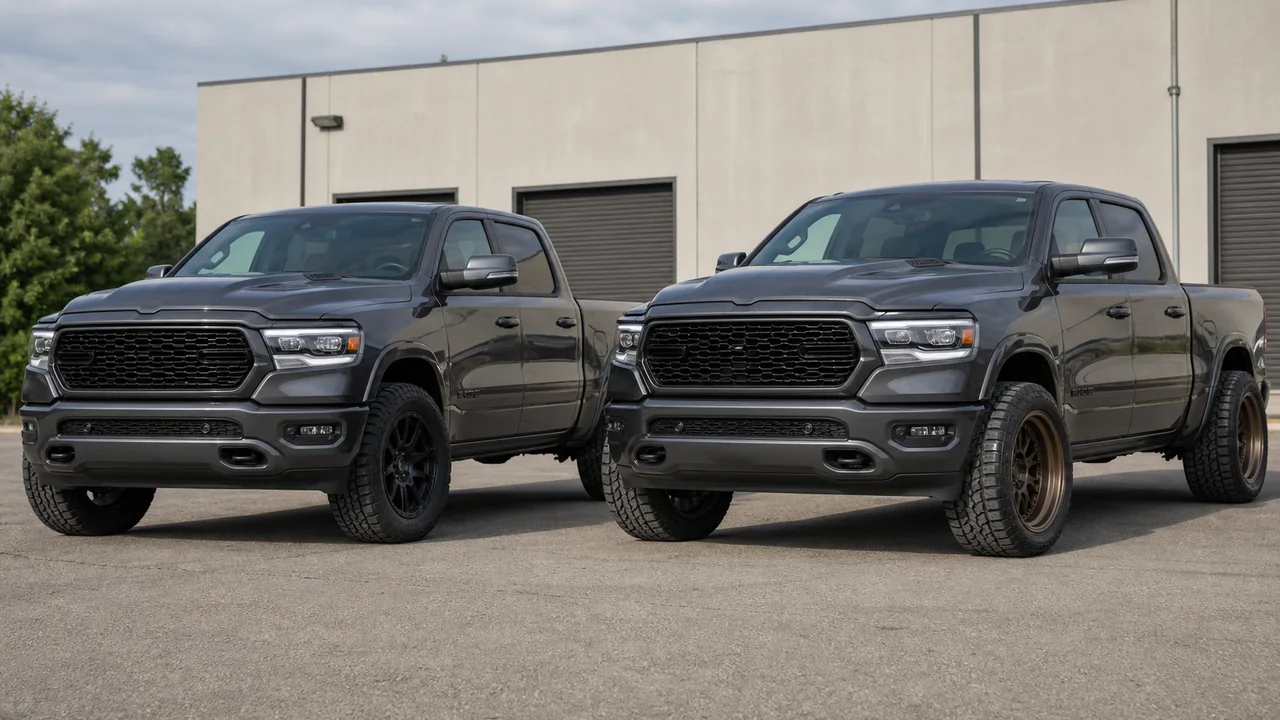
A flush fitment usually lines the tire up close to the guard. Aggressive fitment pushes the tire outside the guard. Negative offset wheels can help clear upper control arms with wider tires, but too much negative offset can create new rubbing at the bumper and rear liner.
Recommended Tire Sizes
Tire width and shoulder shape change everything. A 285 all-terrain with a rounded shoulder may clear where a 285 mud terrain rubs. Taller tires also move closer to the front and rear of the arch when turning.
When choosing offset, plan the tire at the same time. A good wheel and tire package is not just a nice wheel with any tire mounted. It is a matched setup that clears suspension, brakes, guards, and steering movement.
Forged vs Cast Options
Forged wheels are the premium option when strength, lower weight, and custom fitment matter. Cast wheels can still be a good choice if they are from a reputable brand, carry a clear load rating, and match the vehicle use. Flow formed wheels sit between the two and are often a strong value for daily trucks.
Best Finish and Colors
Offset does not decide finish, but fitment changes how finish reads. A deep concave satin black wheel looks more subtle than a machined deep lip wheel with the same poke. Bronze can make an aggressive off-road setup feel more intentional and less showy.
Pros and Cons
- Pros: better stance, stronger visual fitment, room for more purposeful tire choices, and more personal style.
- Cons: possible rubbing, added tire cost, more road spray with aggressive offset, and the need to verify load rating and clearance.
Things to Avoid
Avoid chasing maximum negative offset for a daily truck. It may photograph well, but it can add steering weight, increase wear, throw road grime down the side of the vehicle, and attract unwanted attention if the tread is outside the guard.
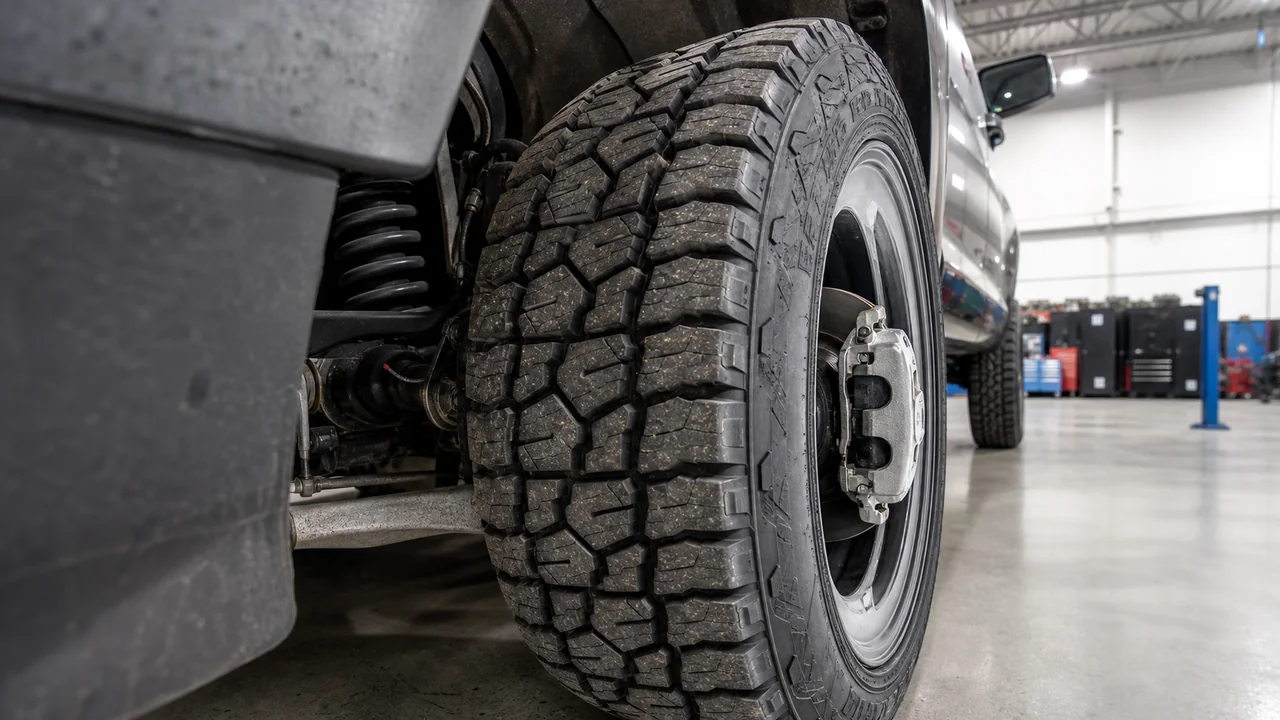
Do not ignore inner clearance. A wheel that looks flush from outside can still contact brake calipers, upper control arms, or suspension parts if the barrel shape is wrong.
Buying Advice
Before ordering wheels, confirm PCD, center bore, brake clearance, load rating, nut seat, tire diameter, and whether the setup remains legal in your area. If the truck is lifted, also check alignment specs and upper control arm clearance. A good wheel choice should make the truck look better without making it worse to use.
Final Recommendation
Start with how the truck is used, then choose wheel width, tire size, and offset together. For most daily 4×4 builds, moderate offset beats extreme offset because it looks clean, drives better, and avoids unnecessary rubbing.
FAQ
What does wheel offset mean?
Wheel offset is the distance between the wheel mounting face and the wheel centerline. Positive offset pulls the wheel inward, zero offset sits at the centerline, and negative offset pushes the wheel outward.
Is negative offset good for trucks?
Negative offset can improve stance and outer clearance, but too much can cause rubbing, more road spray, extra bearing load, and legal coverage issues. The best choice depends on lift, tire size, and use.
What is the difference between offset and backspacing?
Offset is measured from the wheel centerline, while backspacing is measured from the mounting pad to the inner wheel lip. Both describe where the wheel sits in relation to the hub.
How does wheel offset affect handling?
A more aggressive offset can make the truck feel wider and more stable visually, but it may add steering feedback, tramlining, and stress on steering and suspension parts if taken too far.