
Truck Wheels Canada and 4×4 Wheels USA Buying Guide
truck wheels Canada is a useful topic because the right wheel choice changes how a vehicle looks, drives, and ages. This guide uses Ford Bronco and GMC Yukon as the main example, but the same fitment thinking applies to similar enthusiast builds.
The goal is not to chase the most extreme spec. It is to choose wheels that fit correctly, support the tire, clear the brakes, and make sense for Canada winter roads, USA 4×4 use, dealer packages, and online wheel sales.
Quick answer: Start with 17, 18, 20, and 22 inch truck and SUV wheel packages, keep offset around moderate offsets that handle winter roads and daily driving, and choose tires such as all-terrain, winter-rated, highway terrain, and mild off-road tire options after checking clearance.
Why This Setup Works
A good wheel setup balances diameter, width, offset, tire sidewall, and vehicle use. If one part is pushed too far, the whole package can feel worse even if it looks aggressive in a photo.
For street cars, steering feel and tire support matter. For SUVs and trucks, load rating and ride quality matter. For online buyers, clear fitment data matters more than vague claims that a wheel should fit.
Best Wheel Size for Ford Bronco and GMC Yukon
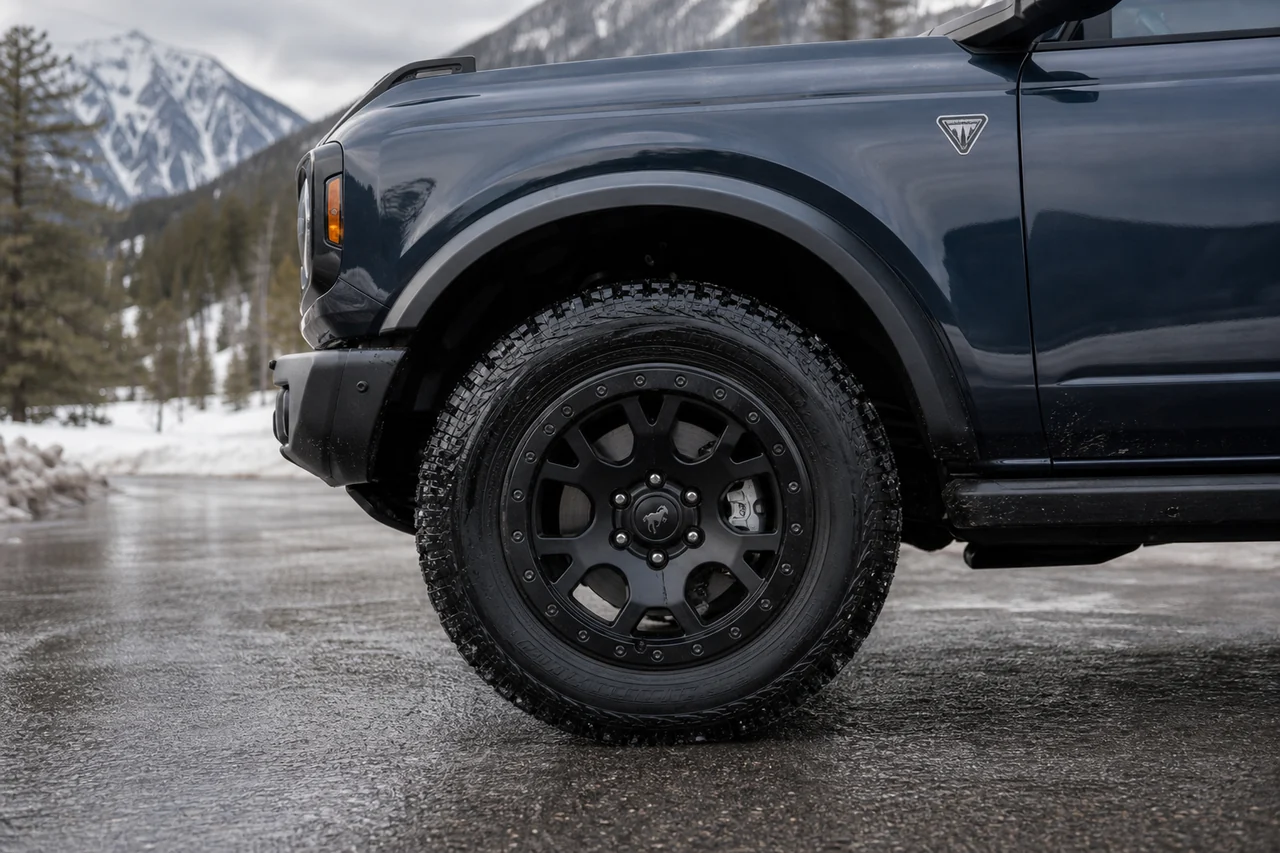
17, 18, 20, and 22 inch truck and SUV wheel packages is the range that makes the most sense here. Smaller wheels usually improve ride quality and tire sidewall, while larger wheels can sharpen the stance when weight and tire profile are controlled.
Daily Setup
A daily setup should clear at full lock, ride well on imperfect roads, and use tires that are easy to replace. Mild flush fitment often works better over time than an extreme stance.
Aggressive Setup
An aggressive setup can look excellent when the body shape supports it. It needs more careful offset planning, tire selection, and sometimes alignment or fender work.
Offset and Fitment Guide
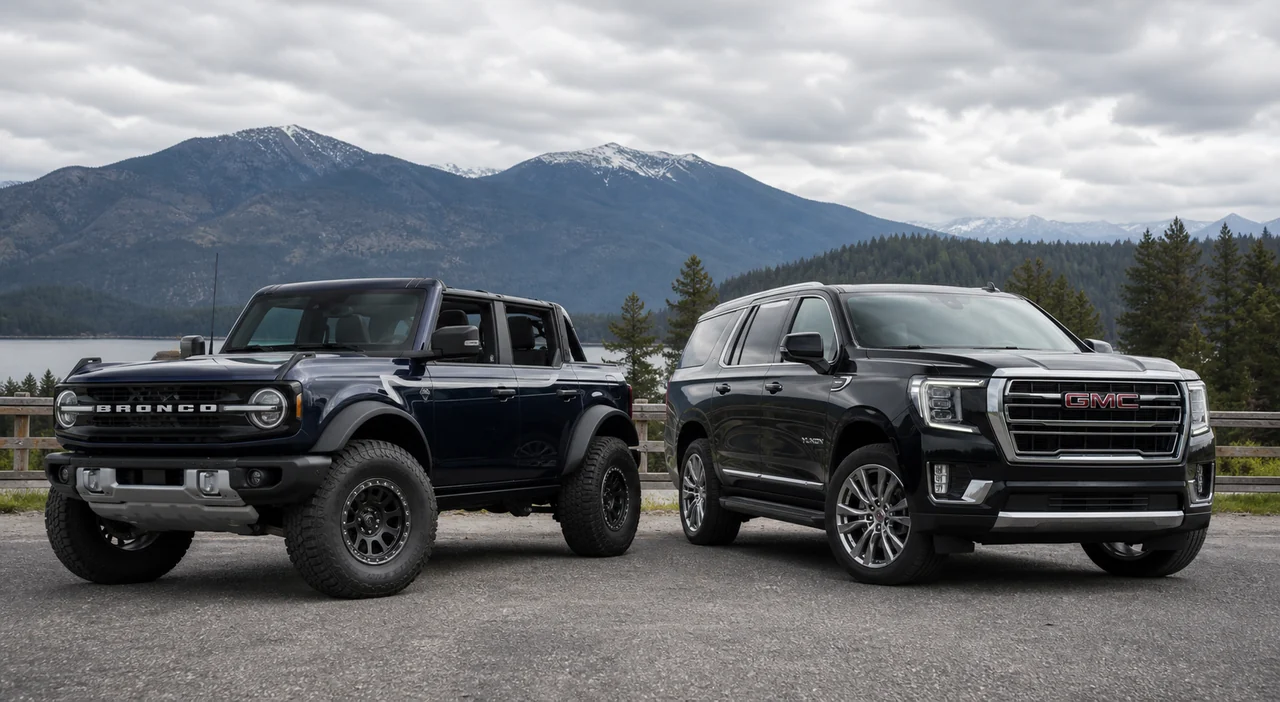
For this build, the safer direction is moderate offsets that handle winter roads and daily driving. More aggressive offset can make the vehicle look wider, but it can also create rubbing, added steering feedback, and more cleaning from road spray.
vehicle-specific PCD, hub bore, load rating, and TPMS checks. Before ordering, also check brake templates, center bore, hub engagement, wheel hardware, and whether the tire stays inside the body line where required.
Recommended Tire Sizes
Recommended tire directions include all-terrain, winter-rated, highway terrain, and mild off-road tire options. Tire shape matters because a square shoulder can rub where a rounded shoulder clears, even in the same nominal size.
If the vehicle is driven daily, do not choose the widest or lowest-profile tire only because it fits on paper. The best tire keeps the vehicle predictable in rain, heat, and rough pavement.
Forged vs Cast Options
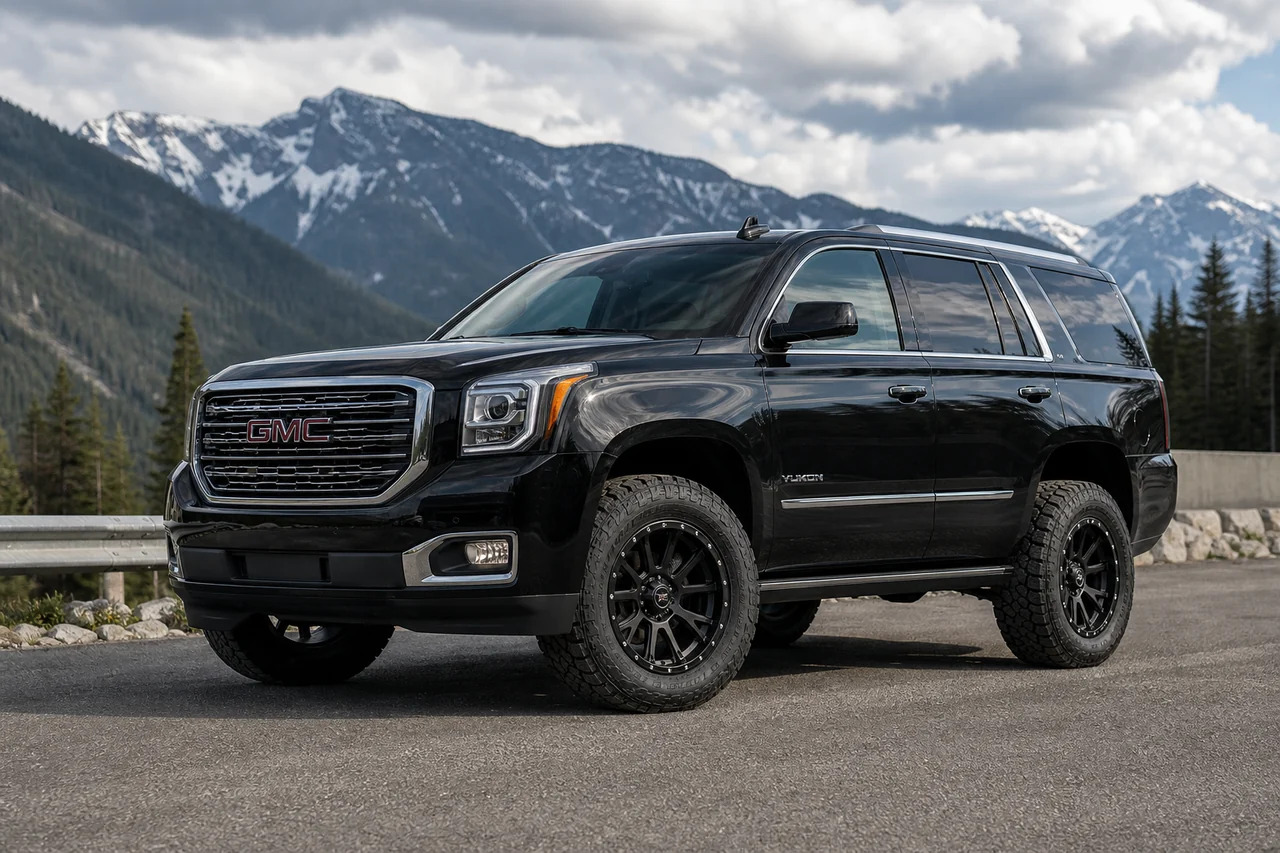
Forged wheels are useful when lower weight, custom sizing, and brake clearance matter. Cast wheels can still work for mild daily builds when they are properly tested and load rated. Flow formed wheels often sit in the middle as a practical value option.
Buying Advice
A good supplier should ask for the vehicle year, trim, brake package, suspension height, tire target, and intended use. If a seller only asks for wheel diameter, the fitment advice is probably not detailed enough.
Things to Avoid
Avoid buying from a single social media photo. The same wheel can fit differently with another tire brand, ride height, alignment setting, or brake package.
Avoid unclear load ratings, unknown offsets, and wheel packages that do not explain hub fitment, TPMS compatibility, or hardware.
Real-World Fitment Check
Before finalizing the setup, test steering lock, driveway angles, passenger or cargo load, and brake clearance. This catches small rubbing issues before they become damaged liners, marked tires, or an annoying daily drive.
Final Recommendation
The best truck wheels Canada setup is the one that looks intentional and still works in real life. Keep the spec honest, choose the tire carefully, and use fitment support before ordering.
Real-World Setup Notes
The part that separates a good wheel setup from a frustrating one is not the headline size. It is the way the wheel, tire, suspension, brake clearance, and vehicle weight work together after a few months of driving. A setup can look perfect on a flat showroom floor and still rub on a driveway, feel harsh on rough pavement, or become annoying to clean if the finish does not match the owner’s routine.
For daily use, it is usually better to leave a small margin. That means enough inner clearance for suspension movement, enough tire sidewall for potholes, and enough load rating for passengers, luggage, or towing. Enthusiasts often talk about aggressive offset first, but the better question is whether the car still feels natural in rain, traffic, highway speeds, and full steering lock.
Dealer and Buyer Checklist
Before ordering, confirm the vehicle year, trim, brake package, suspension height, PCD, center bore, offset, wheel width, tire diameter, TPMS needs, and hardware type. If the vehicle has been lowered or lifted, include that information before asking for fitment advice. A good supplier should be able to explain the trade-off between a conservative, flush, and aggressive setup in plain language.
For online orders, ask whether the wheels are hub-centric, whether the tires can be mounted and balanced before shipping, and whether the package includes the right lug nuts or bolts. If the purchase is for a heavier SUV, EV, or truck, load rating should be checked before color, spoke design, or concavity.
Maintenance and Long-Term Use
Wheel finish also matters over time. Matte black hides brake dust but can stain if harsh chemicals are used. Bronze and brushed finishes look premium, but they need gentle cleaning and pH-neutral products. Polished lips and machined faces should be washed regularly after winter roads, salty air, or muddy trails. The best looking wheel is usually the one the owner can realistically maintain.
FAQ
What size works best for Ford Bronco and GMC Yukon?
Most owners should start with 17, 18, 20, and 22 inch truck and SUV wheel packages. The right size depends on ride comfort, brake clearance, tire availability, and how the vehicle is used.
What offset should I choose?
Use moderate offsets that handle winter roads and daily driving. Offset should be chosen with wheel width and tire shape, not as a standalone number.
What fitment details should I confirm?
vehicle-specific PCD, hub bore, load rating, and TPMS checks. Also confirm center bore, load rating, brake clearance, TPMS, hardware, and tire diameter.
What tire setup makes sense?
Common choices include all-terrain, winter-rated, highway terrain, and mild off-road tire options. A good tire should support the wheel properly and keep the vehicle comfortable in real use.
Related Reading
- Matte Black vs Bronze Wheels: Best Color for a White Car
- Do Bigger Wheels Affect Fuel Economy? Real Fitment Guide
- How to Avoid Wheel Rubbing With Better Fitment
- Custom Offset Wheels: Best Fitment for Wider Cars
- Wheel and Tire Packages: Best Online Buying Guide
- Forged Wheels Australia: Best Buying Guide for Street Cars
- Truck Wheel Manufacturer and Supplier Buying Guide
- Best Wheels for Daily Driving: Practical Fitment Guide