
Forged vs Cast Wheels Guide for Better Truck Builds
Truck owners often hear that forged wheels are better than cast wheels, but the useful answer is more specific. Forged wheels are usually stronger and lighter for their size, while cast wheels are more affordable and can still be perfectly safe when they are properly engineered and load rated.
The right choice depends on the build. A daily truck on mild all-terrain tires does not need the same wheel as a heavy overland setup, a wide 20×12 stance build, or a forged monoblock show truck. This guide explains forged vs cast wheels in a way that helps you spend money where it actually matters.
Forged vs cast wheels quick note: the best choice depends on weight, load rating, fitment, finish care, and how hard the truck is used.
Quick answer: Forged wheels are usually lighter and stronger, cast wheels are usually more affordable, and flow formed wheels sit between them. For trucks, load rating, correct fitment, and real use matter more than the label alone.
Why This Wheel Setup Works
A forged wheel starts from a solid billet or forging that is compressed under high pressure. This process aligns and strengthens the aluminum structure, allowing the wheel to carry load with less material. That is why forged monoblock wheels can be both strong and relatively light.
A cast wheel is made by pouring molten aluminum into a mold. Modern casting can produce good wheels, especially from reputable brands, but cast wheels usually need more material to achieve similar strength. That often means more weight.
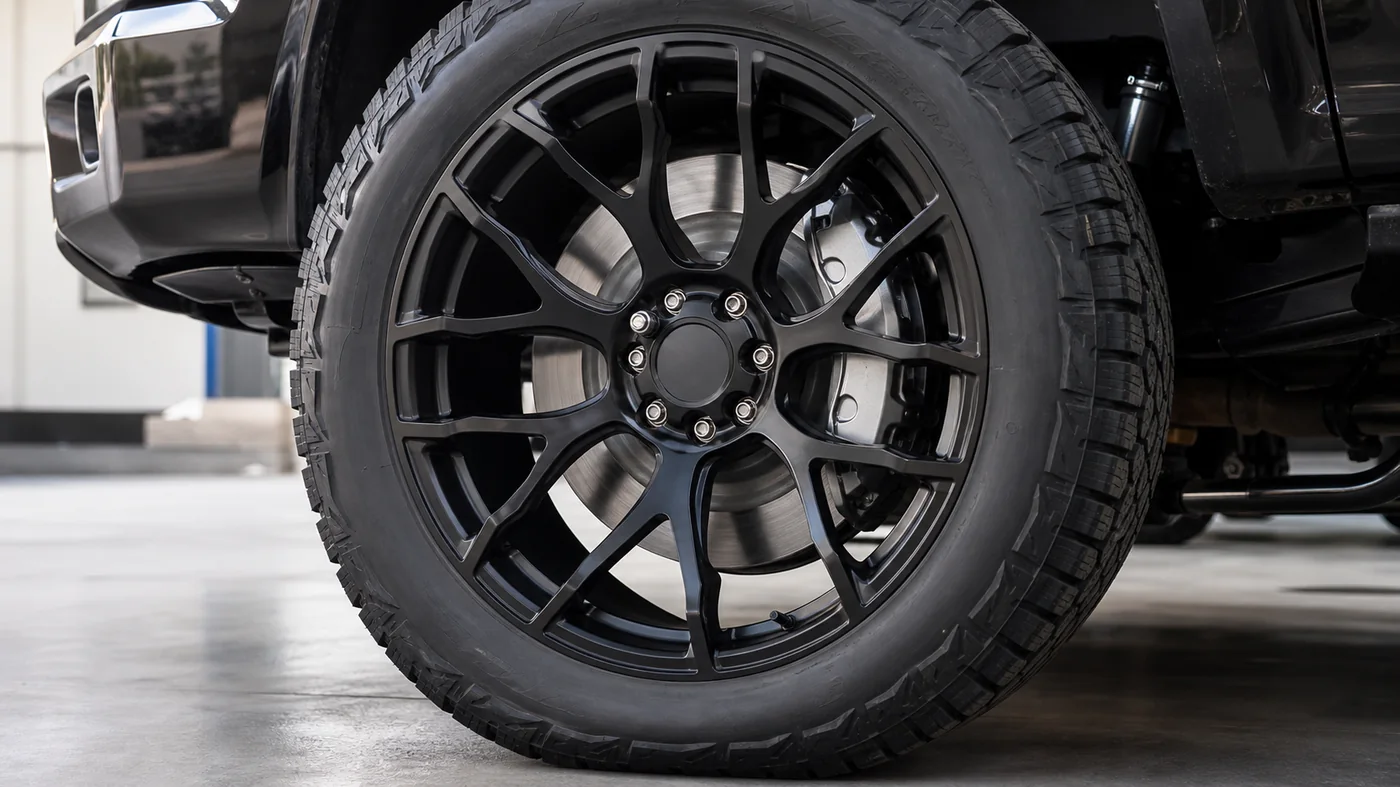
Best Wheel Size
Forged wheels make the most sense in larger sizes where weight can become a problem. A 20 inch or 22 inch forged truck wheel can reduce unsprung weight compared with a heavy cast wheel, which helps steering feel, braking response, and suspension control.
For 17 and 18 inch off-road wheels, the decision is more about strength, load rating, and budget. A forged off-road wheel is excellent for demanding use, but a quality cast or flow formed wheel can still be right for a sensible touring setup.
18 Inch Setup
An 18 inch setup is usually the practical middle ground. It keeps enough tire sidewall for real roads, gives the truck a modern look, and makes load-rated all-terrain tires easy to find.
20 Inch Setup
A 20 inch setup is more visual and stance-focused. It can still work well on a truck, but it needs the right tire profile, offset, and suspension clearance to avoid becoming harsh or difficult to drive.
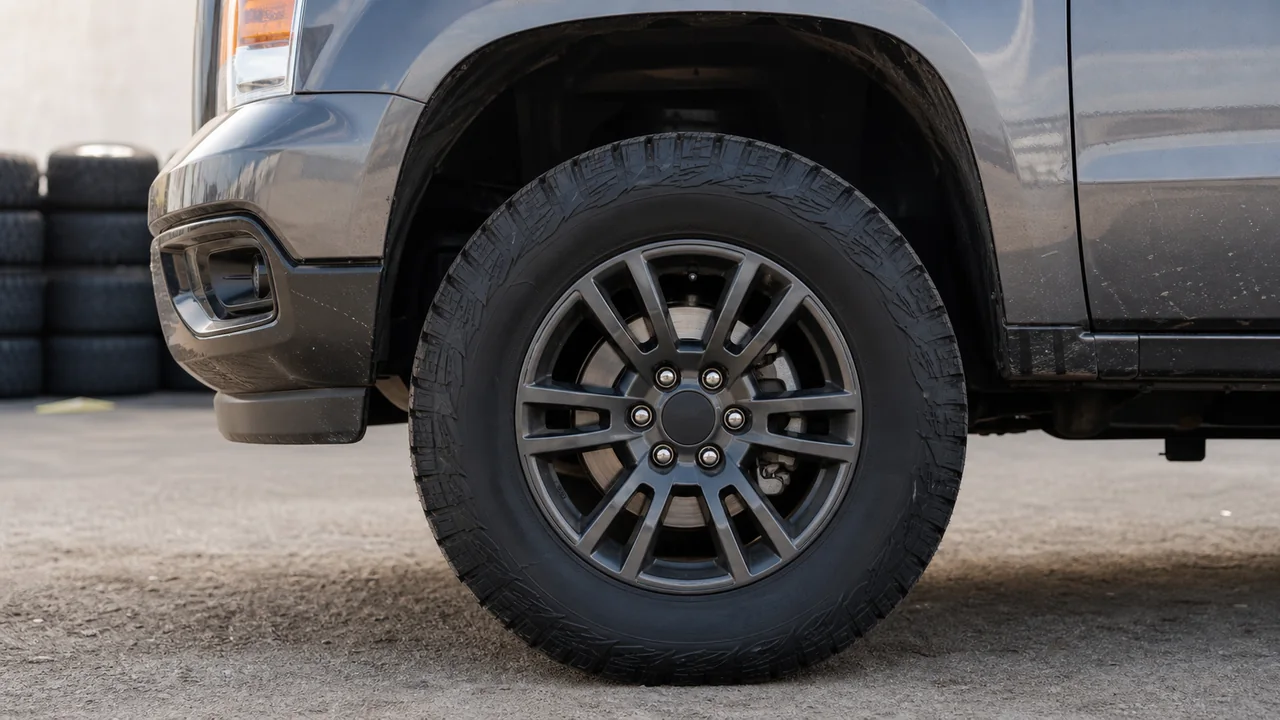
Offset and Fitment Guide
Forged wheels also make custom fitment easier. If you need a specific width, offset, PCD, brake clearance, or concave profile, custom forged truck wheels can be built around the vehicle rather than forcing the vehicle around an off-the-shelf size.
That matters for trucks with big brakes, lift kits, wide tires, or unusual fitment needs. The wheel can be designed with the right barrel, spoke clearance, and load rating from the beginning.
Recommended Tire Sizes
Wheel construction does not replace good tire choice. A lightweight forged wheel with the wrong tire can still ride poorly or rub. Pair forged wheels with a tire that matches the truck use: all-terrain for daily and touring, mud terrain for regular mud and rocks, highway terrain for tow and road comfort.
If you are moving from cast to forged, do not use the savings in wheel weight as an excuse to oversize the tire too far. Overall package weight still matters.
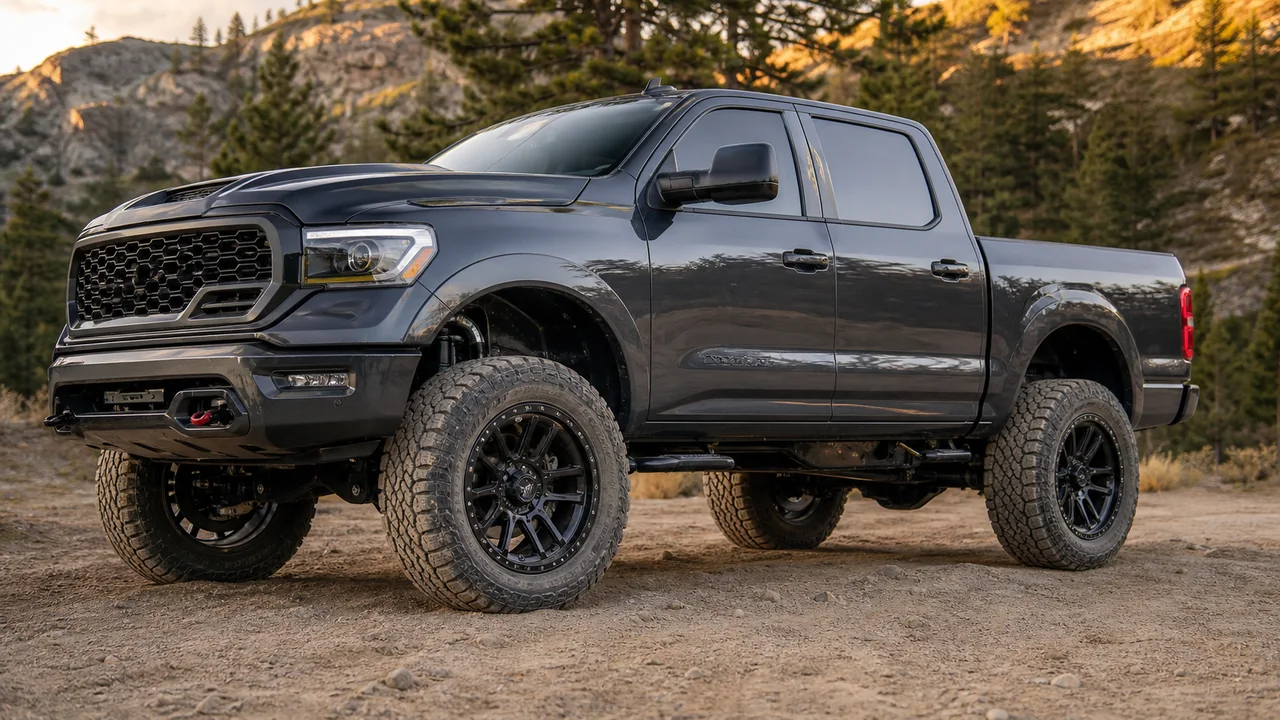
Forged vs Cast Options
Forged wheels are the premium option when strength, lower weight, and custom fitment matter. Cast wheels can still be a good choice if they are from a reputable brand, carry a clear load rating, and match the vehicle use. Flow formed wheels sit between the two and are often a strong value for daily trucks.
Best Finish and Colors
Black forged wheels work on almost every truck color and hide brake dust well in satin finishes. Brushed, machined, and polished forged finishes look more premium but need more careful cleaning. Bronze forged wheels are a strong choice for white, black, grey, and green 4×4 builds.
Pros and Cons
- Pros: better stance, stronger visual fitment, room for more purposeful tire choices, and more personal style.
- Cons: possible rubbing, added tire cost, more road spray with aggressive offset, and the need to verify load rating and clearance.
Things to Avoid
Avoid buying forged wheels only because the word sounds premium. Ask about load rating, material, warranty, finish care, and whether the size is built for your exact truck.
Also avoid assuming every cast wheel is weak. A reputable cast wheel with the right rating is far better than a no-name forged wheel with unclear testing and vague specifications.
Buying Advice
Before ordering wheels, confirm PCD, center bore, brake clearance, load rating, nut seat, tire diameter, and whether the setup remains legal in your area. If the truck is lifted, also check alignment specs and upper control arm clearance. A good wheel choice should make the truck look better without making it worse to use.
Final Recommendation
Forged wheels are worth it when you care about strength, weight, custom fitment, and long-term build quality. Cast wheels remain a smart choice when the budget is tighter and the fitment is straightforward. The best wheel is the one with the right rating, size, offset, and tire for the truck.
FAQ
Are forged wheels stronger than cast wheels?
In general, forged wheels are stronger for their weight because the forging process compresses the aluminum grain structure. A well-made cast wheel can still be safe when properly load rated.
Are forged wheels worth it for a truck?
They are worth it if you want lower weight, custom sizing, stronger load capacity, or a high-end build. For a budget daily driver, a reputable cast or flow formed wheel may be enough.
What is the difference between forged and flow formed wheels?
Flow formed wheels start as cast wheels, then the barrel is spun and compressed to improve strength and reduce weight. They sit between regular cast and forged wheels in price and performance.
Do forged wheels need special care?
They should be cleaned with pH-neutral soap, soft brushes, and no harsh acid cleaners. Matte and machined finishes need extra care because strong chemicals can stain or dull the surface.